
Completed survey case study
ASHP survey case study: detached house with wet UFH
A real North Yorkshire survey where room-level UFH detail mattered before design started.
This page uses live Vertex survey data and real survey photos with personal details removed. No customer name, address, or identifying location data is shown.
Project overview
What was captured on this survey
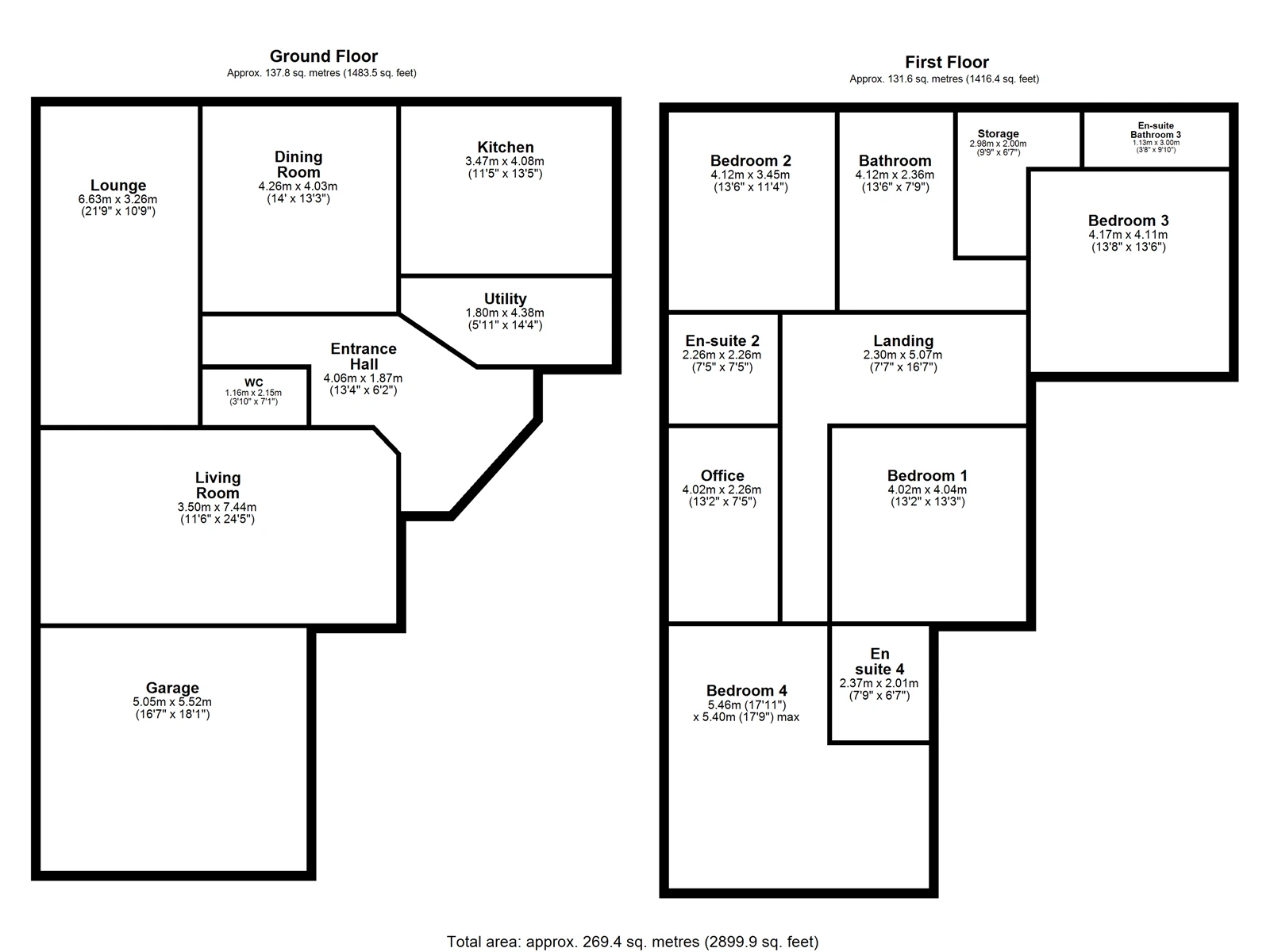
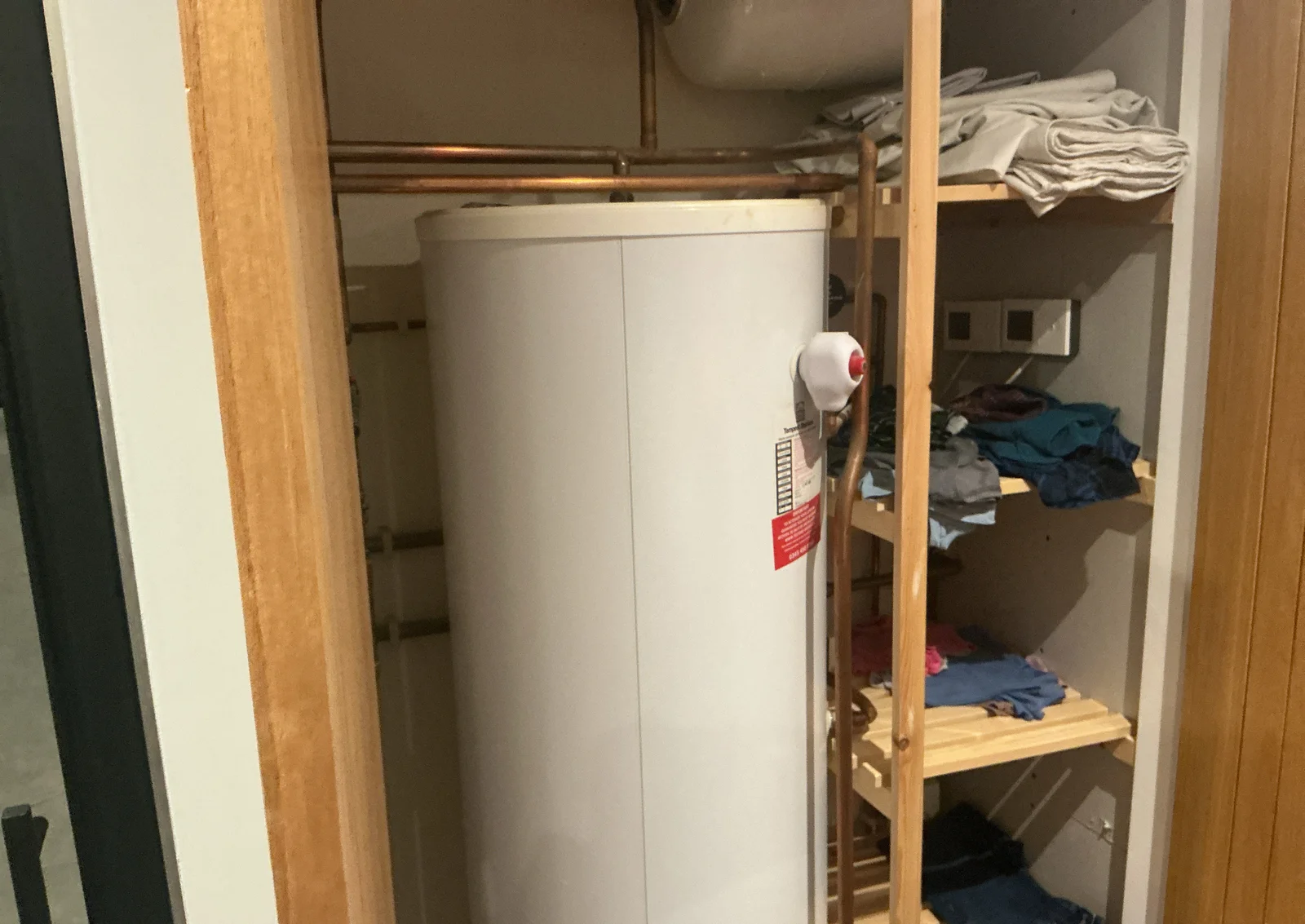
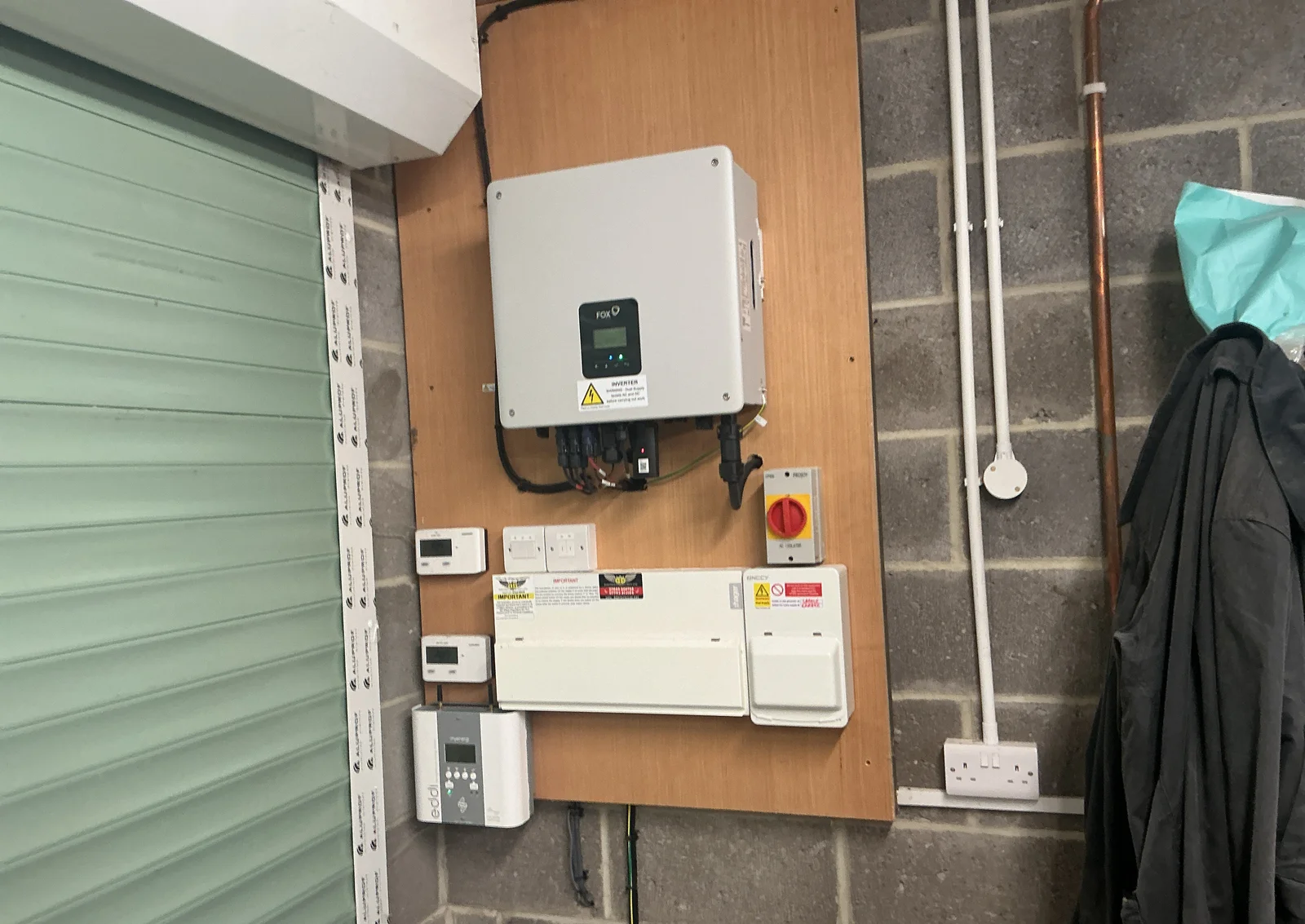
This page shows the parts of the survey that mattered most to the installer: room count, UFH rooms, electrics, cylinder, and floor-plan evidence.
Wet UFH rooms
Entrance Hall, Living Room, Utility Room, Kitchen, Dining Room, Lounge, and WC.
Ready to use
Room-by-room data, floor plans, electrical evidence, and service photos were all kept in one report.
Photo evidence
Selected survey images
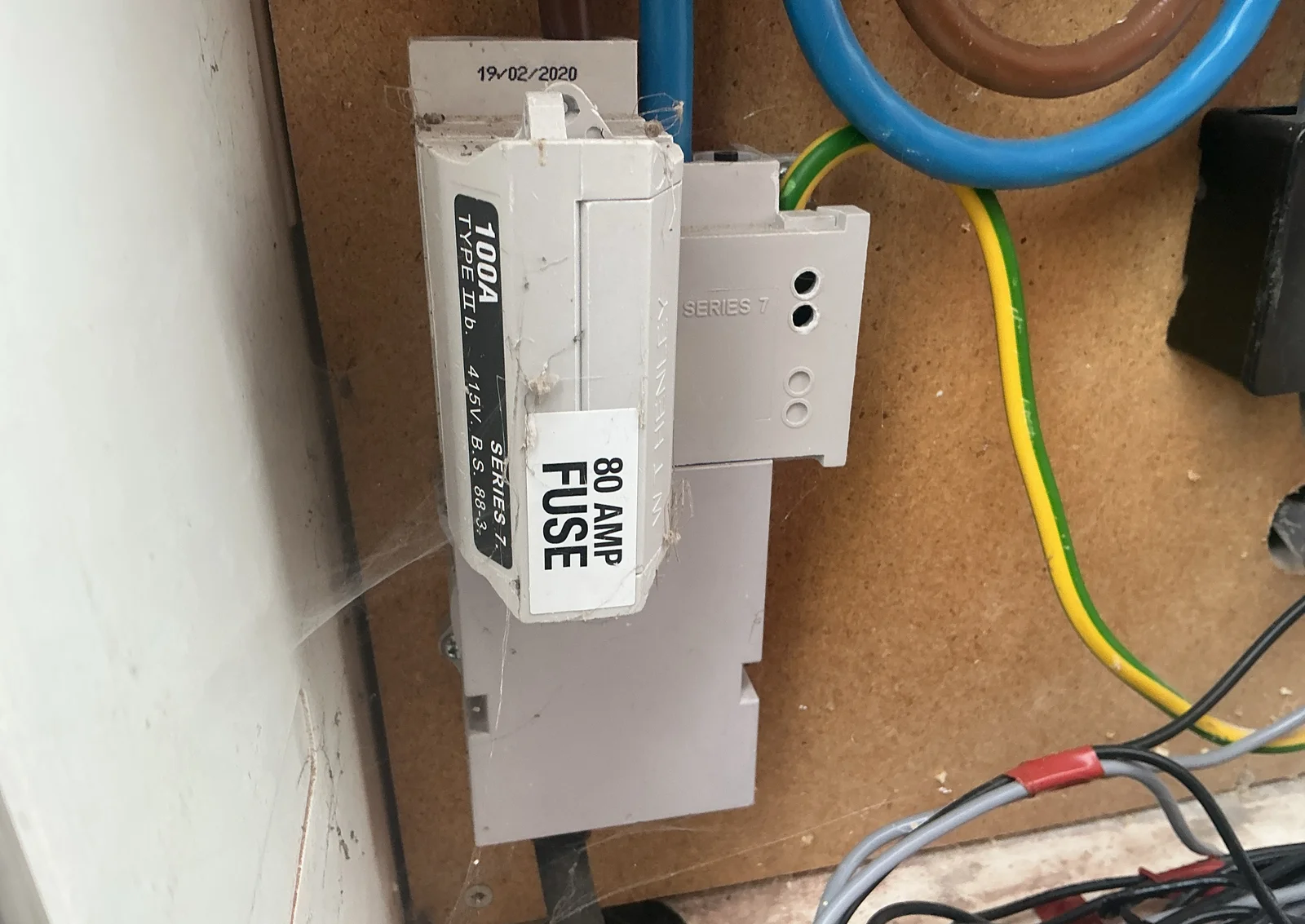
Real survey photos used in the case study. Identifying details were removed before publication.

Installer implications
How this helps before design and quotation
Emitter strategy
Seven rooms were already flagged as wet UFH, while radiator entries remained visible in other spaces. That avoids assumptions when planning mixed emitter layouts.
Electrical confidence
Supply phase, fuse rating, spare ways, and clear CU/cutout photos were captured in one pass, reducing avoidable return visits for electrical clarification.
Moves faster
The report combined floor plans, room records, and photo evidence in a single structure, helping the people pricing, designing, and fitting the job work from the same survey narrative.
Scope boundary
Final heat loss calculation method, system sizing, and detailed design decisions remain with the installer unless separately commissioned.
Why this example matters
What this job proves about survey quality
A detached property with wet UFH can look straightforward until the report has to support real decisions. The survey needs to keep room references, emitter information, electrical evidence, cylinder evidence, and floor-plan context together so the installer can understand the whole job rather than one isolated detail.
Mixed emitters
UFH flags had to stay tied to room data
Seven rooms were recorded with wet UFH. Keeping that information attached to the wider room record helps design teams understand where assumptions can and cannot be made.
Electrical review
Supply evidence was visible before design
The main fuse, phase information, consumer-unit photos, and cutout evidence gave the team a clearer basis for technical review before the job moved beyond survey stage.
Shared narrative
The report gave every team the same context
The office, designer, and installer could work from one survey narrative rather than piecing together separate notes, photo exports, and customer comments.
Related proof