
Winning a Switch Together programme is the beginning of the delivery job. Once households accept their offers, the appointed installer has to turn a large address list into site visits, checked evidence, final designs and workable installation dates.
The survey stage is where that sequence can slow down. An installer may have the design knowledge and installation teams to deliver the contract, but not enough surveyors in the right region at the right moment. Recruiting permanent staff for a temporary peak is rarely the quickest answer. Sending designers out to collect measurements uses expensive time and simply moves the pressure elsewhere.
Vertex provides a separate survey operation that can be added to the programme. The installer keeps the customer, the design and the installation. We take responsibility for collecting the agreed site evidence, checking the submission and returning it in a consistent format.
Switch Together installer support during live delivery
Support does not have to be arranged before the auction or written into the original delivery plan. Vertex can join when an installer can see a backlog forming, when a new geographical batch is released or when existing survey capacity needs protecting.
We begin with the actual programme: postcode spread, appointment rules, property information already collected, survey brief, report requirements and the dates the design team is working towards. That tells us whether the work needs a compact local route, several surveyors operating in parallel or a phased handover by area.
There is no useful headline capacity figure without that context. A dense run of straightforward properties is very different from scattered rural appointments or roofs with several extensions. We agree an achievable plan from the work in front of us, then add trained surveyors as the route grows.
The bottleneck usually appears after acceptance
Switch Together brings households together and uses an auction in which vetted installers bid to provide the installation package. After a household accepts its recommendation, the installer takes the project forward and confirms what is suitable at the property. The official scheme explanation describes this as the point where the installer takes over delivery.
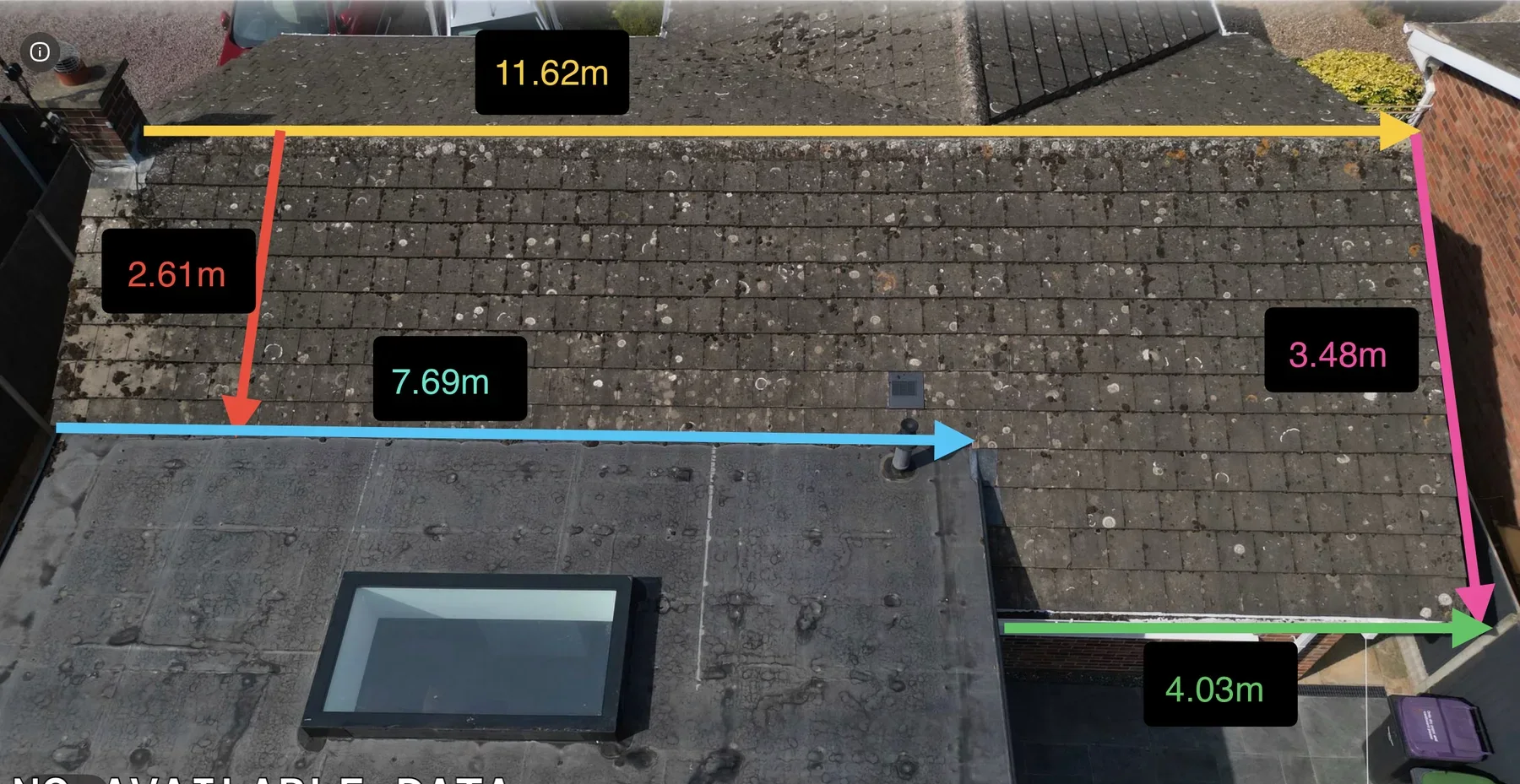
A desktop proposal is a useful starting point, but it cannot confirm the condition and geometry of every roof, scaffold access, shading, the electrical arrangement or a practical equipment route. Those details matter before a final layout is approved and an installation team is booked.
If site evidence arrives slowly or inconsistently, the programme can build a queue between sales and design. Adding survey capacity at that point protects the teams on both sides of it.
One field method across a growing survey team
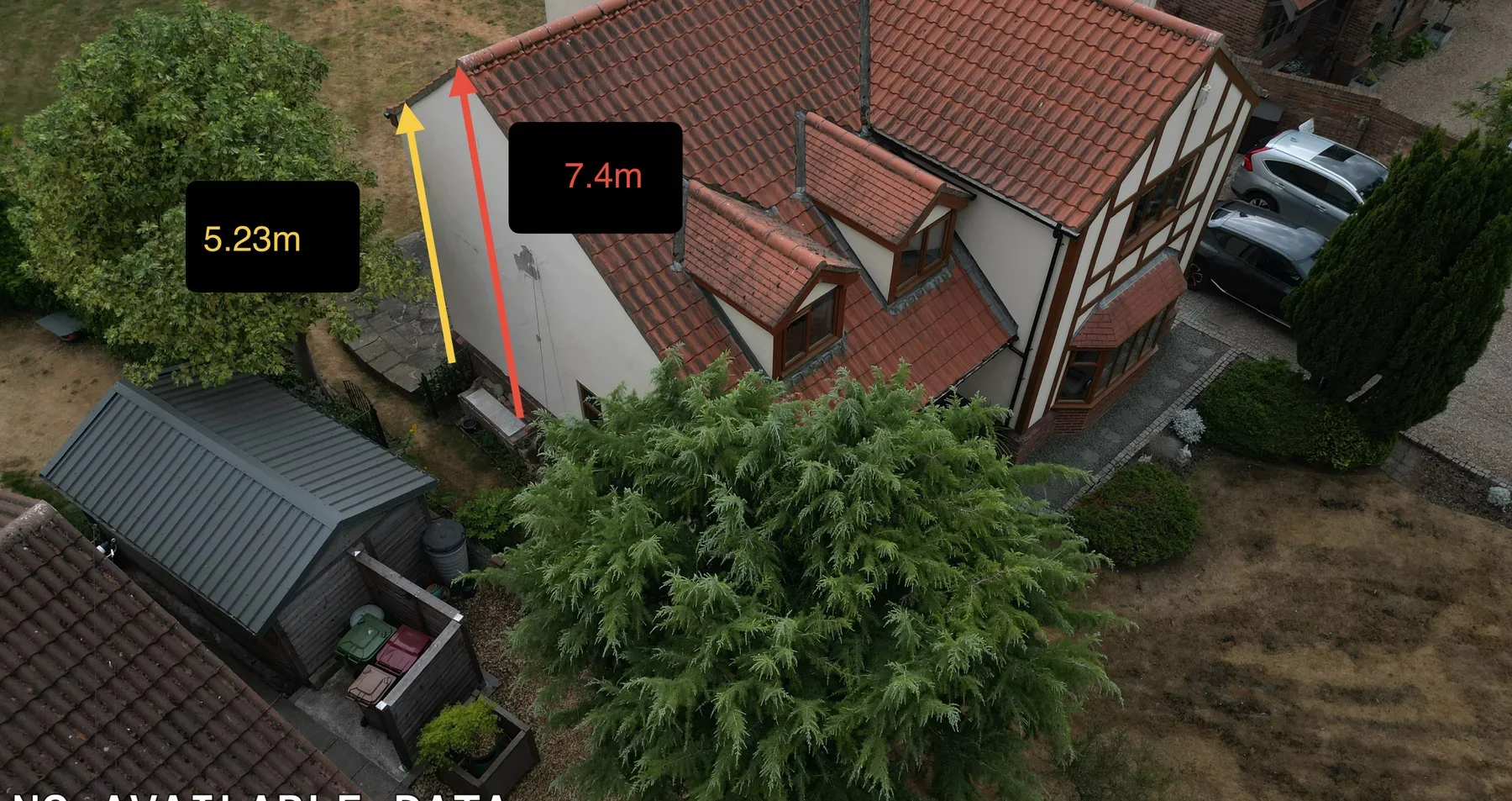
Taking on more surveyors only helps if their work reaches the installer in the same recognisable format. New members of the Vertex team learn the same survey structure, photography requirements and annotation method before working independently on programme routes.
The brief is translated into clear field requirements. Each roof plane has its own measurements and observations. Electrical evidence stays with the same property record. Access restrictions and anything that could alter the installation method are recorded rather than left for somebody in the office to infer.
Early submissions receive closer checking, and feedback refers to the exact field, image or roof section that needs attention. This lets us expand coverage while keeping the handover useful to the people who have to design and install the system.
Checked before the surveyor drives away
A missing measurement found at the property takes minutes to correct. The same omission found after a long route can require another appointment, another journey and another explanation to the customer.
When a Vertex surveyor completes the record, our team reviews it immediately, while the surveyor is still on site. If something is missing or unclear, the surveyor is told what needs correcting before leaving. If the evidence is complete, the job can move forward without waiting for a separate end-of-day upload.
Software helps us spot absent fields and photographs quickly. People remain responsible for reviewing unusual properties and deciding whether the evidence answers the agreed brief. Vertex does not approve the final array, structural suitability or electrical design; those decisions remain with the appointed installer and its competent designers.

Reports move with the programme
The field record, photographs and report are attached to the same booking. Once the survey passes its check, the installer can open the report through the Vertex Portal rather than waiting for files to be sorted from email, messaging apps and individual camera rolls.
That matters when several people are working on the contract. Operations can see where the booking has reached, designers receive the evidence in a consistent structure and installation teams are less likely to inherit unanswered site questions.
For an installer entering another region, the same survey method can be used without rebuilding the administration around every new surveyor. The route changes; the handover does not.
Capacity that can overlap programmes
Our survey team is growing because programme demand does not arrive in a neat, permanent pattern. Surveyors are trained to the Vertex method and can be brought into planned regional routes as work builds.
The aim is not merely to finish one scheme and wait for another. It is to maintain enough trained coverage to support a new programme while existing appointments are still being completed, provided the dates, locations and brief allow it. That gives a contract winner somewhere to turn before a short-term capacity problem becomes a delivery backlog.
Planning support before the next route starts
The best conversation happens before appointments begin, but it does not have to wait for a complete address list. An expected area, likely volume, proposed timetable and sample survey brief are enough to start planning coverage.
We can review the evidence required, identify where the field form needs adapting and agree how exceptions will be returned. When addresses are released, routes can then be built around real postcodes instead of optimistic assumptions.
Installers can also see how we deliver Switch Together surveys, the solar survey scope and the way reports are managed through the Vertex Portal.
- Switch Together: how the group-buying process works, checked 4 September 2026.
- Lincolnshire County Council: Switch Together programme information, checked 4 September 2026.
- MCS MIS 3002: 2025 Issue 2.0, checked 4 September 2026.
- Vertex service statements checked against the current booking, field submission, on-site review and report-delivery process.