
Heat loss

Heat loss survey company for UK installers

Heat loss survey company support with full UK coverage and room-by-room calculation reports, with inputs, assumptions, and numbers shown clearly.

Choose a measured heat loss survey when the evidence is weak. Use desktop heat loss calculations when the drawings are strong. If you are comparing a heat loss survey company, check whether the assumptions, room data and report route are visible before booking.

Route Measured or desktop

Chosen from the evidence available.

Inputs Assumptions visible

Measured, supplied, and assumed data separated.

Output Room-by-room report

Built for design check, not just a number.

Coverage Full UK coverage

Postcode and lead time checked upfront.
Heat loss survey UK: measured visit, desktop calculation, or both

A heat loss survey is useful when the design depends on room-by-room evidence. Vertex helps installer teams choose the right route: measured site visit where evidence is weak, desktop heat loss calculation where drawings are strong, or heat pump survey plus heat loss where the job needs both site evidence and numbers.

Measured survey

When the property needs fresh room data

Use a measured heat loss survey when room dimensions, glazing, emitter notes, insulation assumptions or fabric evidence are not reliable enough to support heat pump sizing.

Desktop calculation

When drawings and evidence are already strong

Use desktop heat loss calculations when plans, room dimensions, construction details and window information are good enough. The report should still show measured, supplied and assumed inputs clearly.

Installer handover

What a heat loss survey company should make visible

The useful output is not just a final kW number. Installers need room-by-room results, assumptions, data quality notes, supporting evidence and a report that the designer can review before system sizing is treated as fixed.

Full UK heat loss survey coverage, with assumptions visible

Heat loss work only helps if the designer can see where the figures came from. Vertex covers heat loss survey and calculation work across the UK, then separates measured, supplied and assumed inputs in the report.

UK-wide

Measured or desktop route by postcode

Use measured visits where evidence is weak, or desktop heat loss calculations where drawings, dimensions and construction notes are strong enough.

Room-by-room

Inputs the designer can audit

Dimensions, fabric assumptions, glazing, insulation notes and room results are set out clearly rather than hidden behind a single headline number.

Installer handover

Works with the wider survey pack

Heat loss can sit alongside ASHP, GSHP, EPC, solar and battery survey evidence so the office is not stitching separate documents together later.

What Vertex provides for heat loss survey work

Vertex provides heat loss survey and calculation support for installer teams across the UK. The route can be a measured site visit or a desktop calculation, depending on the quality of the drawings, room dimensions, construction notes and evidence already available.

Measured route

When the site evidence is weak

Room measurements, glazing, emitters, construction assumptions and supporting photos are captured so the calculation is not built on guesswork.

Desktop route

When drawings are strong enough

Where drawings and supplied measurements are reliable, the report separates supplied, measured and assumed inputs so the designer can review the basis of the figures.

Output

Room-by-room report

The report is built for design review, with room results, visible assumptions and the evidence trail kept together.

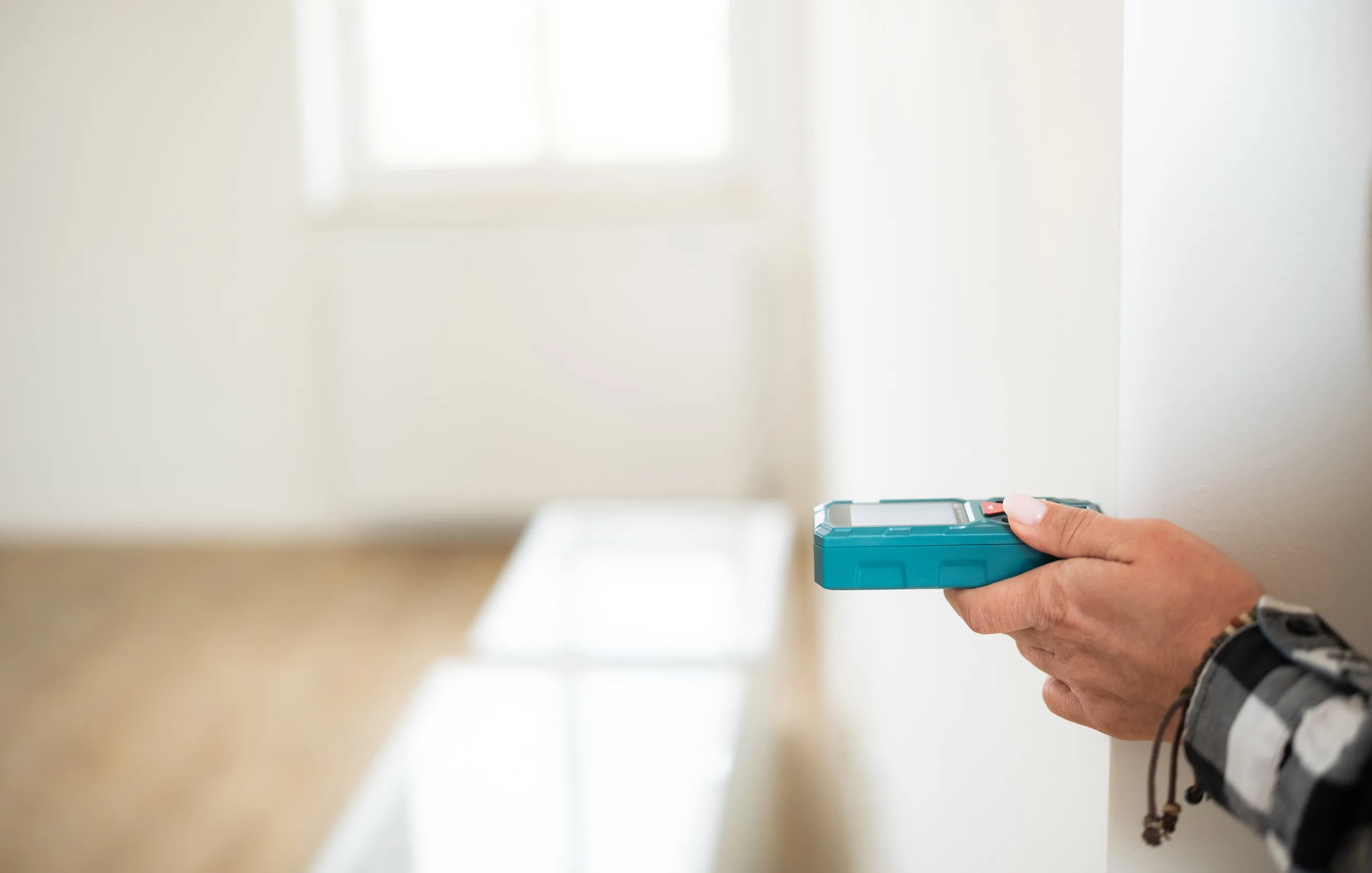
Survey professional using measurement tools during a site assessment

What a heat loss survey checks before the calculation starts

The software is the easy bit. The hard part is getting the room data, construction assumptions, and evidence trail right before the calculation starts.

A heat loss survey should check the evidence before the calculation

The survey checks the evidence. The calculation turns that evidence into room-by-room figures. Some jobs need both, especially when the plans or assumptions are not strong enough on their own.

Measured route

Heat loss survey

The measured route covers room measurements, construction assumptions, glazing, and site evidence that still need checking.

Output route

Heat loss calculations UK

The calculations guide covers methodology, inputs, standards, and what makes the calculation dependable.

Quick estimate

Heat loss calculator UK

The calculator guide explains where quick estimates stop and where a measured or desktop calculation becomes necessary.

Heat loss survey for design, not just a thermal image

Many heat loss survey pages focus on thermal imaging and energy escape. For heat pump installers, that can be useful supporting evidence, but the design still depends on measured room data, fabric assumptions, glazing and a reviewable calculation.

Thermal imaging

Useful where it explains the building

Thermal images can help show cold spots, insulation concerns, air leakage or obvious fabric issues when they are relevant to the job. They do not replace measured inputs.

Measured inputs

The calculation still needs room-by-room evidence

Room dimensions, window and door sizes, construction type, insulation assumptions, ventilation context, and emitter notes are what make the heat loss result useful for design.

Report output

A report the design team can review

The strongest output separates measured, supplied and assumed data so another person can understand where the number came from before it affects heat pump size or emitter decisions.

The number only helps if people can see where it came from

Most heat loss work comes back to one question: can the installer defend the number? The report needs to show what was measured, what was supplied, and what was assumed.

Measured route

Room-by-room input evidence

Room dimensions, emitter notes, glazing, fabric assumptions and supporting photos are captured so the calculation does not become a black-box output.

Desktop route

When drawings are enough

If reliable drawings and dimensions already exist, a desktop heat loss calculation can be the right route. If the evidence is weak, a measured survey protects the quote.

Heat pump link

Heat pump survey with heat loss

For ASHP and wider heat pump jobs, the heat loss route should connect to site evidence, BUS checks, and the report installers use before quoting.

Heat loss support when the number has to stand up later

A good heat loss report makes the assumptions visible, separates measured data from supplied data, and flags anything that still needs review.

Measured heat loss survey

For properties that still need checking

Room dimensions, glazing, construction type, insulation assumptions, emitters, and supporting photos are captured so design is not working from weak inputs.

Desktop heat loss calculation

For strong drawings and dimensions

When reliable drawings and measurements already exist, a desktop calculation can be faster and still reviewable, as long as assumptions are clearly shown.

Related heat loss guides

These guides help when you also need calculator detail, calculation standards, or fabric assumptions alongside the main service page.

Service page

Heat loss survey company

This page covers the service, pricing context, report structure, and the choice between a measured visit and desktop work.

Calculator guide

Heat loss calculator UK guide

Where online estimates help, where they stop, and when measured inputs matter.

Method guide

Heat loss calculations UK guide

Methodology, assumptions, and what makes a room-by-room result dependable.

Fabric guide

U-value guide

Fabric assumptions, insulation proof, U-value units, and wall or window performance.

Units

U-value units explained

A focused guide to W/m2K, lower U-values, and why area and temperature difference can move room-by-room results.

If you are comparing heat loss software or apps, the tool is only part of the answer. The calculator guide covers tool-led comparisons, the U-value guide covers fabric assumptions, and the portal page shows how finished reports are delivered.

What a heat loss survey company should make clear before you rely on the number

A heat loss survey is only useful if the office can see what was measured, what was assumed, and what still needs checking. If the result arrives with no visible evidence trail, the design team still has a risk to manage.

Inputs

Measured and assumed data separated

Room sizes, glazing, fabric assumptions, insulation notes, and construction context should be clear enough that another person can review the calculation without starting again.

Route

Desktop or measured route stated upfront

If drawings and dimensions are strong, desktop can be right. If the evidence is thin, a measured heat loss survey protects the quote and gives design a cleaner starting point.

Heat loss calculations UK reports should show the inputs clearly

Most problems start when the number is there but nobody can see what went into it. We keep the inputs, assumptions, and outputs readable from the start.

Inputs

The inputs are clear

  • Room measurements captured to the agreed scope
  • Window, door, and construction details where they affect the result
  • Photos and notes where an assumption needs backing up
Assumptions

The assumptions are visible

  • No pretending guessed data is measured data
  • Constraints and unknowns are stated plainly
  • Easier to defend the result to design, install, and homeowner
Shared report

The report is easy to work from

  • One layout people can follow quickly
  • Evidence next to the part of the job it supports
  • Less chasing around between files and messages

Why this makes the design stage easier

A heat loss survey is supposed to reduce doubt. If the report still leaves people guessing, it has failed.

Structure

Room-by-room results that read cleanly

  • Room-by-room outputs in a familiar layout
  • Less time spent translating someone else’s notes
  • Quicker sense-checking before design moves on
Assumptions

Numbers you can explain

  • Inputs shown alongside the result
  • Constraints and uncertainties documented
  • So the answer still makes sense when someone else reads it
Less re-typing

Less rebuilding the job in another system

  • Inputs captured in the same places each time
  • Consistent naming across jobs
  • Easier to check without starting from scratch elsewhere

Heat loss survey cost

Guide pricing is public. The final quote still depends on scope and whether the job can be done from strong drawings or needs a site visit, but this is the live heat loss survey cost starting point.

Heat loss only

From £150

A standalone heat loss calculation is shown from £150 on the pricing page when the scope is right for that route.

Survey + heat loss

From £350

The combined survey plus heat loss route is shown from £350. That is usually the right answer when the property still needs fresh site evidence and measured inputs.

What this means the price

Scope decides the number

Property size, travel, drawing quality, and how much has to be measured on site are what usually move the quote. We confirm that before anything is booked.

Current guide prices are taken from the live pricing page, checked on 7 June 2026.

Questions people ask before booking a heat loss survey

Yes. Vertex acts as a heat loss survey company for installers who need room-by-room calculations, measured or desktop evidence routes, visible assumptions, and reports that design teams can review.

It is the survey work that gives the calculation any value. The job is to gather the dimensions, construction details, glazing, insulation assumptions, and room-by-room context needed to produce a reliable heat loss result for a heat pump design.

It is the combined route where the survey captures or checks the property inputs and the calculation turns those inputs into the room-by-room heat loss output. If reliable drawings already exist, the survey part may be reduced; if not, a measured visit is usually the safer route.

Because the design depends on it. If the numbers are guessed or weak, the system sizing, emitter decisions, and flow temperature assumptions are weak as well. A proper calculation gives you something you can work from and explain.

No. A heat loss calculator UK tool can be a useful early guide, but a proper heat loss survey or calculation report works from checked dimensions, fabric assumptions, and supporting evidence that design teams can actually review.

Current guide pricing is from £150 for a standalone heat loss calculation where reliable drawings, room measurements, or Vertex survey data already exist. ASHP survey plus heat loss is from £350. If a separate measuring visit is needed, survey pricing applies.

Do it when you need heat loss inputs before pricing, design, or sizing can start. If system type is still undecided, start from the heat pump survey page so the route is clear first, then return for the heat loss route.

A typical site visit takes around one to two hours. Once the inputs are confirmed, the calculation is usually turned around the next day. Desktop jobs can move just as quickly if the supplied information is complete.

Yes, if the information is good enough. Reliable drawings, dimensions, window details, construction type, and insulation assumptions can be enough for a desktop calculation. If a site visit would materially improve the result, we will flag that upfront.

We work to the relevant industry standards, including MIS 3005-D and CIBSE guidance, and make the inputs and assumptions visible in the report so the result is easier to review.

It can be, where it is useful and agreed in scope. Thermal imaging helps as supporting evidence, but it is not a substitute for good measurements, fabric notes, or clear room-by-room inputs.

You need room dimensions, window and door sizes, construction details, insulation assumptions, and the other basics that affect how the property loses heat. We either capture that on site or work from what you provide.

Not always. Many teams do not need another tool; they need a heat loss survey report with visible inputs, assumptions, and photos that can be reviewed quickly. The heat loss calculator UK guide is useful for software-output comparisons. This page covers the done-for-you survey route.

Why the output is easier to review than a typical heat loss report

People do not just need the final number. They need to see where it came from quickly.

Navigation

Teams can jump straight to room data, assumptions, and supporting evidence instead of scrolling through a messy file.

Consistency

The layout stays familiar from job to job, which makes the numbers quicker to sense-check.

One report

Everyone is looking at the same report, which cuts the usual back-and-forth before design sign-off.

Read these next if you are comparing methods or checking assumptions

The pages below answer the questions that usually come up once the heat loss conversation starts.

Heat loss surveys across the UK

We work across the UK. If the job needs a site visit, we confirm travel and scope before booking. If the information is already strong enough, we can often do the calculation remotely.

Measured route

Site visit heat loss survey

  • Best when the existing information is weak or incomplete
  • Useful when room measurements, glazing, or construction details still need checking
  • Helpful when the installer wants photos and notes to support the numbers
Desktop route

Desktop heat loss calculation

  • Best when drawings and measurements are already reliable
  • Faster when the installer or homeowner can supply the inputs cleanly
  • Still useful when the main need is the calculation, not the wider survey report
Before booking

What we confirm first

  • Whether desktop is realistic or a site visit is the better route
  • What information is missing and what can be assumed safely
  • Scope, timing, and price before the job is booked

Related Services

Heat loss calculations are often part of a complete heat pump survey. We also provide standalone calculations and related services.